×

The Standard e-Paper
Kenya’s Boldest Voice
 The Standard Group Plc is a
multi-media organization with investments in media platforms spanning newspaper
print operations, television, radio broadcasting, digital and online services. The
Standard Group is recognized as a leading multi-media house in Kenya with a key
influence in matters of national and international interest.

Audio By Vocalize
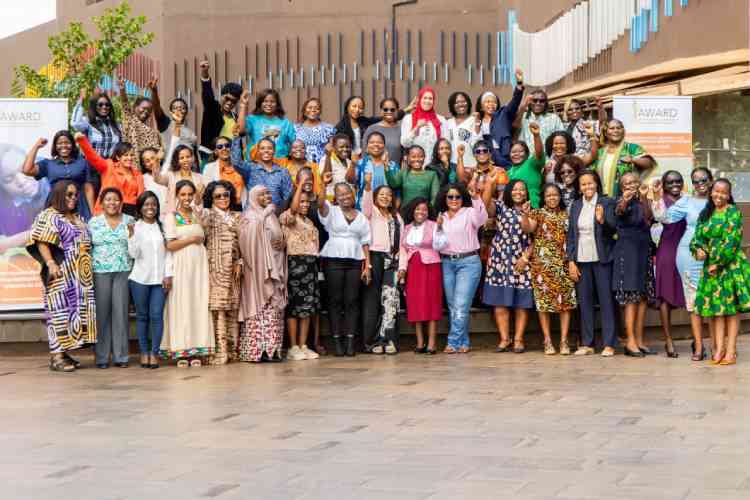
From the finger millet and sorghum grown in Uganda to coffee cultivated in Kenya, the crops farmers depend on are shaped by decisions made in research laboratories long before seeds reach the fields.
But women remain underrepresented in plant breeding, raising questions about whose priorities influence the development of new crop varieties and whether the resulting innovations reflect the needs of women farmers.
A new Africa-wide programme is seeking to address that gap by supporting women crop scientists and challenging research practices that can leave gender considerations out of agricultural innovation.
Among the 47 women selected for the two-year fellowship is Dr Scovia Adikini, a principal research officer at Uganda’s National Agricultural Research Organisation (NARO), whose work focuses on improving finger millet and sorghum.
Her research targets traits including drought tolerance, resistance to pests and diseases, and nutritional value, characteristics relevant to farmers dealing with climate shocks and the need for nutritious food.
The programme, launched in Nairobi by African Women in Agricultural Research and Development (AWARD), also involves Makerere University in Uganda, alongside research institutions and universities in Kenya, Ethiopia and Nigeria.
Its central concern is that developing better crop varieties requires more than scientific advances. Researchers must also understand what farmers need, while women must have a greater role in deciding which agricultural problems research should address.
“Understanding what women and men farmers need is essential to developing agricultural innovations they can use,” AWARD director Dr Susan Kaaria said at the launch.
Women account for less than 15 per cent of plant breeders in West and Central Africa, according to AWARD. The organisation says their underrepresentation in senior research and management positions also limits their presence where research priorities and resources are determined.
The programme will support 47 women breeders from 14 African countries through technical training, leadership development and mentorship. It will also work with research institutions to identify gender gaps in their policies and practices, while universities review how gender is incorporated into agricultural training.
For East Africa, the involvement of Ugandan and Kenyan researchers brings the issue closer to the region’s agricultural research systems, where crop development has implications for the farmers expected to adopt new varieties.







Subscribe to our newsletter and stay updated on the latest developments and special offers!