×

The Standard e-Paper
Fearless, Trusted News
 The Standard Group Plc is a
multi-media organization with investments in media platforms spanning newspaper
print operations, television, radio broadcasting, digital and online services. The
Standard Group is recognized as a leading multi-media house in Kenya with a key
influence in matters of national and international interest.

Audio By Vocalize

Kenyans have been urged to avoid using overdrafts to finance long-term investments such as vehicles and equipment, with a banking executive warning that mismatched borrowing periods can strain business cash flow and make loan repayments difficult.
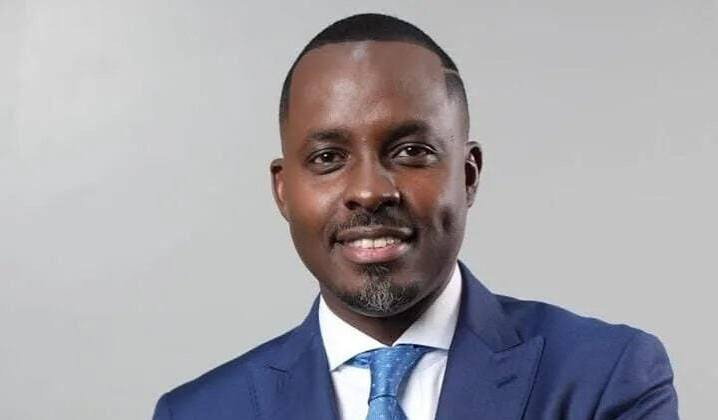
HFCB Limited Managing Director Peter Mugeni said entrepreneurs should match the duration of their loans to the period their investments are expected to generate income, cautioning that short-term credit used to acquire long-term assets could leave businesses struggling to meet repayment obligations before the investments become profitable.
“Please do not write cheques out of an overdraft to buy your long-term assets. It will come back to bite you,” Mugeni said in an interview with the Kenya Bankers Association (KBA).
He explained that overdrafts are designed primarily to meet short-term working capital requirements, allowing businesses to bridge temporary cash-flow gaps while awaiting payments from customers. The borrowed funds should ideally be replenished through business revenue within a few months.
Using an overdraft to purchase an asset expected to generate returns over several years, however, could leave the facility continuously utilised, increasing interest costs and making it difficult for a business to meet its other financial obligations.
A business purchasing a vehicle expected to generate revenue over four years, for example, should consider a financing arrangement whose repayment schedule reflects the vehicle’s income-generating lifespan rather than relying on a short-term facility.
Mugeni also cautioned entrepreneurs against taking loans before establishing whether their businesses can generate sufficient cash to service the debt.
He advised start-ups to rely on their own capital during the early stages, build a financial track record and seek bank financing once their operations can support regular repayments.
“Bank debt may actually be constrained,” he said, explaining that lenders have a responsibility to safeguard customer deposits and must assess borrowers’ capacity to repay before extending credit.
He urged entrepreneurs to prepare realistic business plans and sales projections before determining how much financing they need. Borrowing decisions, he said, should be guided by actual market demand, expected revenue and the additional production capacity required to fulfil orders.
For instance, a business producing 3,000 litres of avocado oil monthly but facing demand for 6,000 litres should first calculate the cost of expanding production and determine whether the additional sales would generate enough income to cover the loan repayments.
Mugeni recommended that businesses allocate no more than 50 per cent of their free cash flow to loan repayments after accounting for operating and maintenance expenses.
The remaining cash would provide a buffer for taxes, unexpected costs and other business obligations, reducing the risk that debt repayments would disrupt daily operations.
Stay informed. Subscribe to our newsletter
The HFCB chief further urged borrowers experiencing financial difficulties to approach their banks early rather than wait until they default on their loans.
Businesses facing delayed payments from customers, including government agencies, should notify their lenders promptly to explore possible solutions, such as temporary financing support or an extension of repayment periods.
He noted that restructuring a loan does not automatically damage a borrower's reputation, as lenders consider the circumstances behind the financial difficulties and the business's prospects for recovery.
“It's not true that your bank, that when you approach your bank, you're going to be in trouble,” Mugeni said, encouraging borrowers to maintain open communication with their lenders.
He added that banks have an interest in the survival and growth of businesses because borrowers' ability to repay depends on their continued operations.
Mugeni also warned entrepreneurs against taking expensive loans without first assessing whether their profit margins could sustain the cost of borrowing.
He cited interest rates of 36 to 40 per cent as an example of costly financing that could leave businesses struggling, particularly when investment returns are insufficient to cover interest and other operating costs.
He urged business owners to maintain accurate financial records covering sales, expenses, owners' cash contributions and operating costs. Such records help lenders evaluate a business's financial position and ability to service debt.
Mugeni said HFCB accepts M-Pesa transaction records as evidence of sales, with customers' consent allowing the bank to obtain statements directly from the source.
For businesses with limited credit histories, lenders may also consider an owner's personal repayment record, the risks associated with the industry and the business's projected cash flow when assessing loan eligibility and determining pricing.
He further advised entrepreneurs to expand gradually, warning that successfully managing one outlet or truck does not necessarily mean an owner is ready to manage dozens.
“Keep your records,” he said, emphasising that sound financial management, realistic growth plans and disciplined borrowing are essential for businesses seeking sustainable access to credit.





Subscribe to our newsletter and stay updated on the latest developments and special offers!